Join Us: Protecting BC's Coastal and Marine Environments

Updated: Oct 6
The coastal and marine environments of British Columbia (BC) are among the most breathtaking and diverse ecosystems on the planet. However, they face significant threats from pollution, climate change, and overfishing. As stewards of this beautiful province, it is our responsibility to protect these vital resources for future generations. This blog post will explore the importance of safeguarding BC's coastal and marine environments, the challenges they face, and how you can get involved in making a difference.
The Importance of BC's Coastal and Marine Environments
BC's coastal and marine ecosystems are not just beautiful; they are essential for the health of our planet. These environments provide numerous benefits, including:
Biodiversity: BC is home to a rich variety of marine life, including fish, marine mammals, and seabirds. This biodiversity is crucial for maintaining ecological balance.
Economic Value: The fishing and tourism industries rely heavily on healthy marine ecosystems. Sustainable practices can ensure these industries thrive for years to come.
Cultural Significance: Indigenous communities have relied on these waters for thousands of years. Protecting these environments is vital for preserving their cultural heritage.
Biodiversity at Risk
The marine biodiversity of BC is under threat. Overfishing, habitat destruction, and pollution are leading to declines in fish populations and the degradation of critical habitats like kelp forests and coral reefs. For instance, the Pacific salmon population has seen significant declines due to habitat loss and climate change. Protecting these species is not just about conservation; it is about preserving the entire ecosystem.
Economic Impacts
The economic implications of a declining marine environment are profound. The fishing industry alone contributes billions to the BC economy and supports thousands of jobs. If we do not take action to protect our marine resources, we risk losing not only our natural heritage but also the livelihoods of many families.
Cultural Connections
Indigenous communities have a deep connection to BC's coastal waters. They have managed these resources sustainably for generations. Protecting these environments is essential for maintaining their cultural practices and ensuring that future generations can continue to rely on these waters for sustenance and cultural identity.
Challenges Facing BC's Coastal and Marine Environments
While the importance of protecting BC's coastal and marine environments is clear, several challenges hinder our efforts. Understanding these challenges is the first step toward effective action.
Climate Change
Climate change is one of the most pressing threats to marine ecosystems. Rising sea temperatures, ocean acidification, and changing weather patterns disrupt marine life and habitats. For example, warmer waters can lead to harmful algal blooms, which can be toxic to marine life and humans alike.
Pollution
Pollution from land-based sources, including plastics, chemicals, and agricultural runoff, poses a significant threat to marine ecosystems. Plastics, in particular, have become a pervasive problem, with millions of tons entering the ocean each year. This pollution not only harms marine life but also affects human health and coastal economies.
Overfishing
Overfishing has led to the depletion of many fish stocks, disrupting the balance of marine ecosystems. Unsustainable fishing practices can also damage habitats, making it difficult for populations to recover. For instance, the decline of herring populations has had cascading effects on the entire marine food web.
How You Can Get Involved
Protecting BC's coastal and marine environments requires collective action. Here are some ways you can contribute to this vital cause:
Support Sustainable Practices
Choose sustainably sourced seafood when shopping or dining out. Look for certifications like the Marine Stewardship Council (MSC) label, which indicates that the seafood was caught using sustainable practices.
Participate in Clean-Up Events
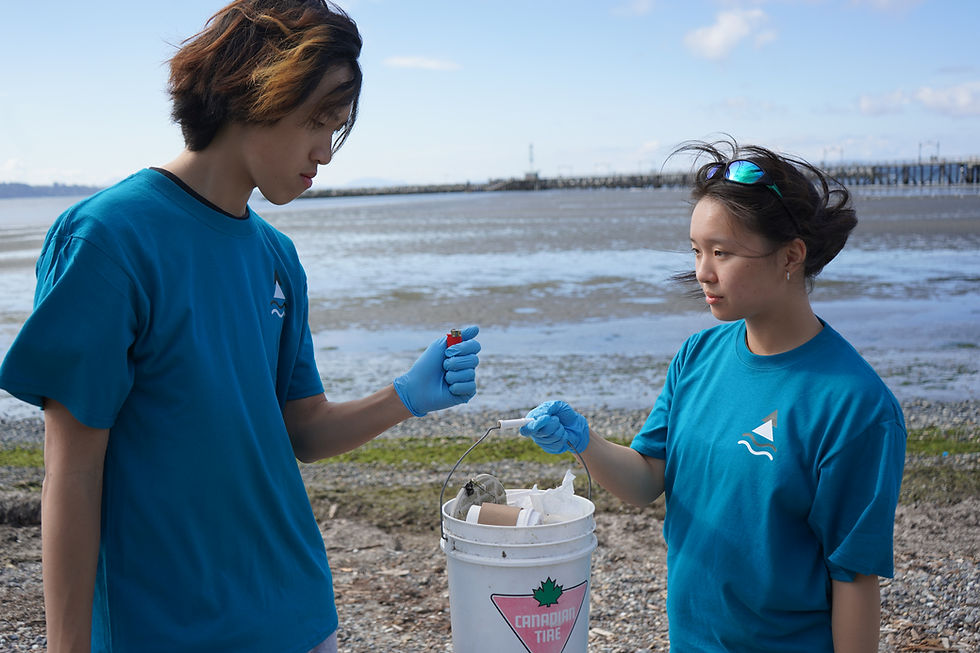
Join local organizations in beach clean-up events to help remove debris and pollution from coastal areas. These events not only improve the health of marine environments but also foster community engagement.
Advocate for Policy Changes
Stay informed about local and provincial policies affecting marine environments. Advocate for stronger regulations on pollution and overfishing, and support initiatives aimed at protecting marine habitats.
Educate Others
Share your knowledge about the importance of protecting BC's coastal and marine environments with friends, family, and your community. The more people understand the issues, the more likely they are to take action.
Conclusion
The coastal and marine environments of British Columbia are invaluable resources that require our protection. By understanding the challenges they face and taking action, we can ensure that these ecosystems remain healthy and vibrant for future generations. Whether through supporting sustainable practices, participating in clean-up events, or advocating for policy changes, every action counts. Join us in protecting BC's coastal and marine environments and help preserve the beauty and biodiversity of this incredible province. Together, we can make a difference.


Comments